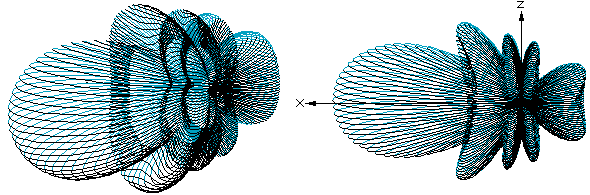
802.11n is the next generation of Wi-Fi® wireless technology. Boasting huge improvements in range, speed and performance, 802.11n provides a high-speed wireless connection at distances never before possible while enabling a strong wireless signal throughout your entire home.
Radio frequency identification (RFID) is a method of remotely storing and retrieving data using devices called RFID tags. An RFID tag is a small object, such as an adhesive sticker, that can be attached to or incorporated into a product. RFID tags contain antennae to enable them to receive and respond to radio-frequency queries from an RFID transceiver.
No one likes being lied to. Or misled. Or fooled. Yet vendors, technologists and others sometimes mislead the market and potential customers in the competition to promote products and services. The word "lie" is harsh, and many will defend their statements by saying their assertions were first qualified elsewhere. But the original source is often difficult to find, and designed to be missed, which reveals that the intent was in fact to mislead.
If Windows ever notifies you about a weak signal, it probably means your connection isn't as fast or as reliable as it could be. Worse, you might lose your connection entirely in some parts of your home. If you're looking to improve the signal for your wireless network, try some of these tips for extending your wireless range and improving your wireless network performance.
Access points are by far the primary components in wireless LAN infrastructures. The 802.11 standard defines an access point asa communication hub for users of a wireless device to connect to a wired distribution system, such as an Ethernet network. Access points also play a major role in providing better wireless security and control of users in the shared radio environment.