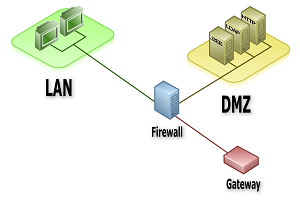
In military jargon, a DMZ is an area of land that serves as a buffer between two enemies. The most well known DMZ in the world is the DMZ that protects South Korea from North Korea.
In network security jargon, a DMZ is a network that serves as a buffer between a secure protected internal network and the insecure Internet.
Most IT pros realize that using Telnet to manage routers, switches, and firewalls is insecure. Transmitted in clear text across a network, Telnet traffic basically publicizes any login usernames and passwords to any attackers out there listening—who can take advantage of that information to access a device as the network administrator.
These days wireless networking products are so ubiquitous and inexpensive that just about anyone can set up a WLAN in a matter of minutes with less than $100 worth of equipment. This widespread use of wireless networks means that there may be dozens of potential network intruders lurking within range of your home or office WLAN.
Wireless Networking (Wi-Fi) has made it so easy for you to use the computer, portable media player, mobile phones, video game consoles, and other wireless devices anywhere in the house without the clutter of cables.